Sell Your Pallets
Find a buyer for your used pallets
Get Your Free Quote Today
Need pallets for your business? Looking to sell your surplus inventory? Tell us what you need and we will pass your request to partner suppliers in our network.
Fill out the form and a partner supplier will contact you with a quote based on your requirements.
- One request reaches local partner suppliers
- Buy, sell, recycle, repair or transport pallets
- Free to submit
- No obligation to accept a quote
Get a Quote
Fill out the form below
Sell Used Pallets
Have surplus or used pallets taking up space? Norfolk Pallets passes your request to partner pallet suppliers in our network around Hampton Roads who buy used pallets. They review the details you send and may make an offer and arrange pickup.
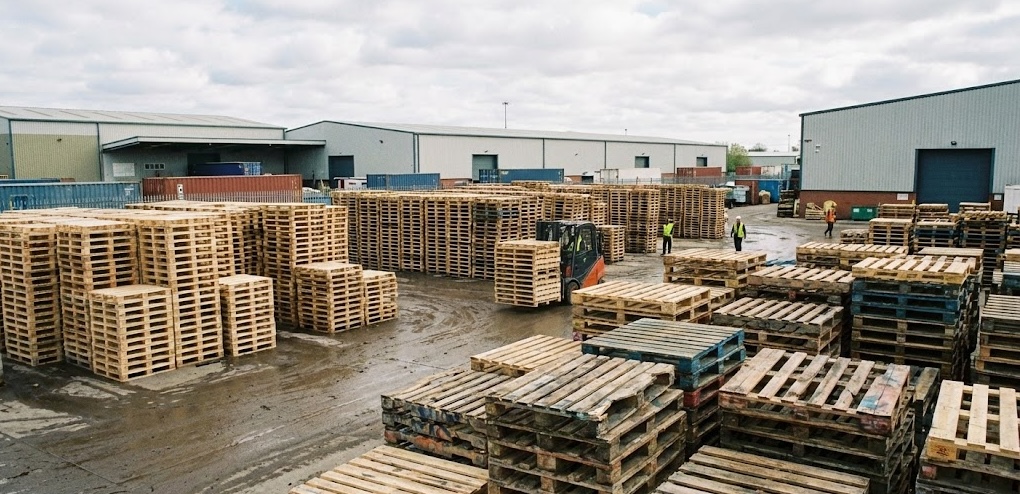
Pallets Partner Buyers May Accept:
- Standard 48x40 pallets (GMA)
- Non-standard sizes
- Broken pallets (for parts and recycling)
- Large quantities or regular pickups
- Mixed loads
- Wood and plastic pallets
How It Works:
- Send us details about your pallets using the form
- We pass your request to a partner supplier
- The supplier quotes you based on quantity and condition
- You arrange a pickup time with the supplier
- The supplier confirms the count and pays you by their chosen method
Pricing Factors
Buyers usually consider several factors when pricing used pallets. Understanding them helps you get a realistic offer:
- Condition: Grade A pallets usually bring the best prices. Grade B and C pallets are valued based on repair potential and usable components.
- Quantity: Larger quantities often receive better per-unit pricing because transport costs are spread across more pallets.
- Size and Type: Standard 48x40 GMA pallets are usually in the highest demand. Custom sizes are priced based on demand and reusability.
- Heat Treatment Status: Pallets with a valid ISPM 15 heat-treatment stamp may be worth more because they can be reused for export.
- Material: Hardwood pallets often bring higher prices than softwood. Plastic pallets are valued separately based on material and condition.
- Location and Accessibility: Pallets that are easy to reach and load usually get better offers. Remote locations may see lower offers to cover transport.
- Market Conditions: Pallet prices move with lumber costs, supply and demand, and the season.
Regular Volumes
If your business generates pallets on a regular basis, say so in your request. Some partner suppliers can set up scheduled pickups.
What Happens to Sold Pallets
Selling used pallets helps keep them in use. Depending on condition, pallets are commonly:
- Reused: Pallets in good condition are inspected and resold for another trip.
- Repaired: Pallets with minor damage can be repaired and returned to service.
- Recycled: Broken pallets can be dismantled, with usable boards becoming repair parts and other wood often ground into mulch, animal bedding, or biomass fuel.
Reusing or repairing a pallet avoids building a new one.
Payment
Payment method and timing are set by the supplier who buys your pallets. Ask about options when you receive your quote, and ask for a receipt showing quantity, grades, and value for your records.
Who Sells Pallets
Businesses across Hampton Roads end up with more pallets than they need, including:
- Manufacturing: Production facilities often receive pallets faster than they use them for outbound shipments.
- Distribution Centers: High-volume receiving operations generate steady flows of pallets.
- Retail Stores: Stores receive merchandise on pallets but have limited outbound pallet needs and storage space.
- Warehouses: Third-party logistics and storage facilities collect pallets from many clients.
- Import/Export Companies: International shippers may have heat-treated pallets that are useful for export reuse.
- Construction Sites: Building materials arrive on pallets that need removal to keep sites organized and safe.
Getting Started: How to Sell Your Pallets
- Send a Request: Fill out the contact form above or email us at [email protected] with details about your pallets.
- Provide Information: Include the approximate quantity, sizes, condition (Grade A, B, or C), and location of your pallets.
- Add Photos (Optional): Photos of your pallet stack help suppliers price more accurately.
- Receive a Quote: A partner supplier reviews your request and contacts you with an offer.
- Schedule Pickup: If you accept, arrange a pickup time with the supplier.
- Inspection at Pickup: The supplier confirms quantity and grade on arrival and may adjust the offer.
- Receive Payment: Payment is made by the supplier according to their terms.
Fill out the form above to get started, or email [email protected] with details about your pallets.
Frequently Asked Questions
What types of pallets do partner buyers accept?
Partner suppliers may buy standard 48x40 pallets, and some take specialty sizes, repairable pallets, or mixed-grade stacks. Describe your pallets in your request.
Will I be paid for broken pallets?
Repairable pallets often still have some value. Fully broken pallets may be accepted for recycling with little or no payment. The supplier who quotes you decides.
How is pricing determined?
Suppliers usually price by pallet size, grade, condition, quantity, and current demand. Photos help them give a more accurate offer.
Can pallets be picked up from my location?
Pickup is available through partner suppliers in Hampton Roads. Include your address and dock hours in your request.
Is there a minimum quantity for pickup?
Minimums vary by supplier and location. Tell us how many pallets you have and we will pass it along.
How quickly can surplus pallets be removed?
Pickup timing is set by the supplier who takes your request. Mention any deadline in your request.
How is payment handled?
Payment method and timing are set by the supplier who buys your pallets. Ask about their options when you receive your quote.
Can recurring pallet removal be set up?
Some partner suppliers offer scheduled pickups. Mention it in your request.
How should I store pallets waiting for pickup?
Keep pallets stacked neatly in a dry, accessible area near where a truck can load. Ask your supplier if they have specific stacking preferences.